Belgium is the most poorly exploited market in the region, for one simple reason: the language border. A French-speaking buyer canvasses Wallonia, a Dutch-speaking buyer canvasses Flanders, and each ignores half the country even though the distances are trivial.
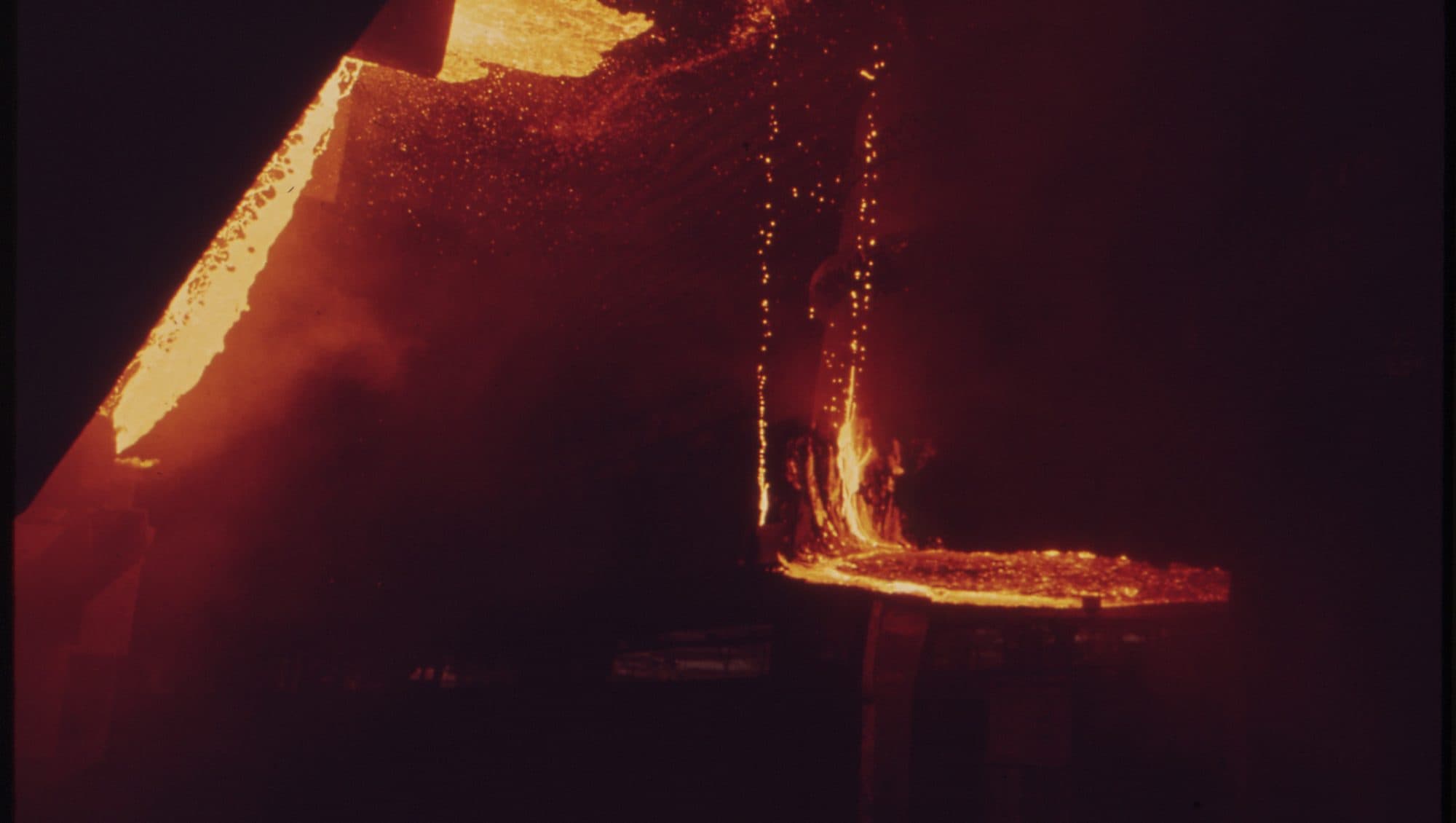
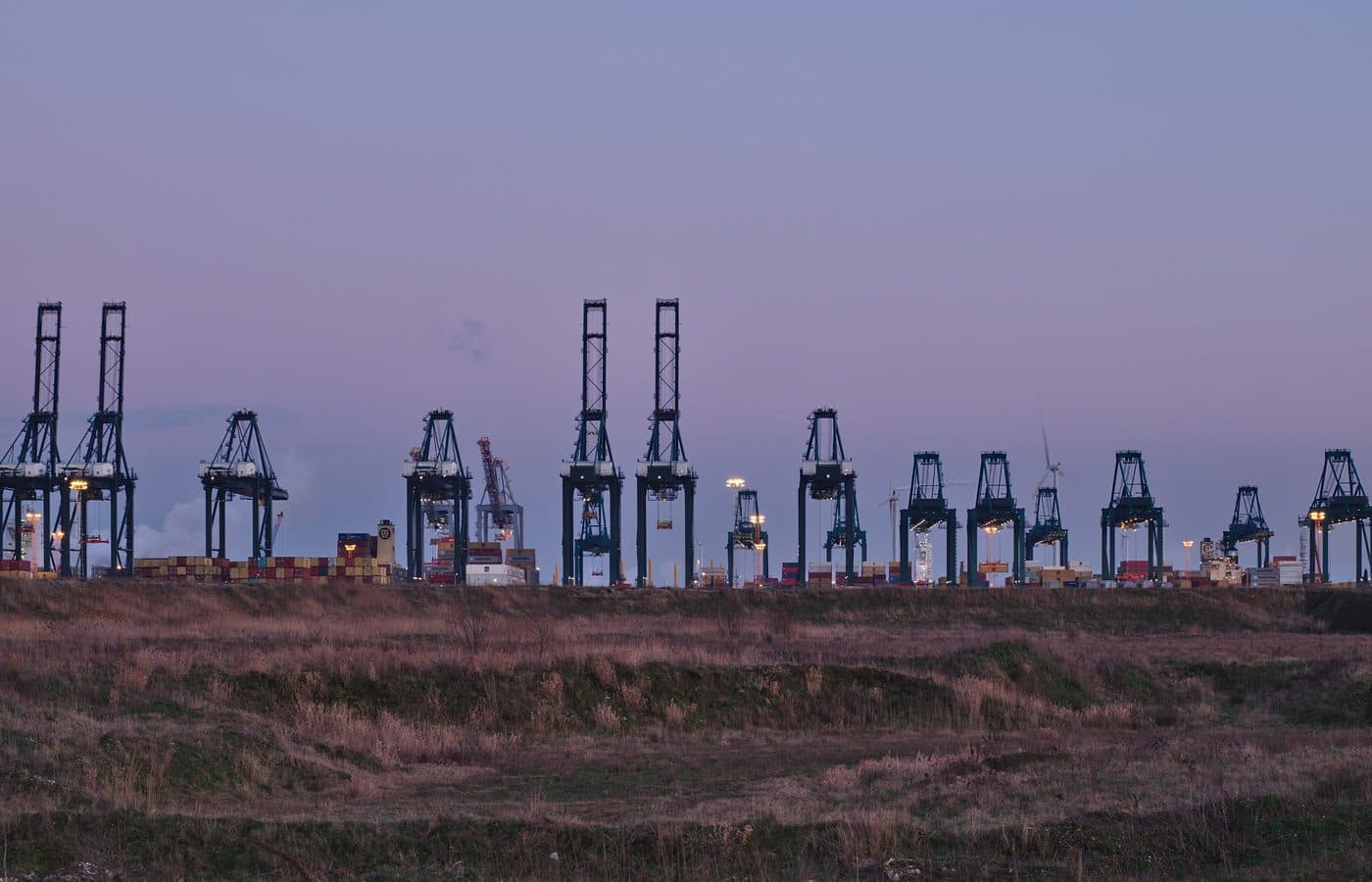
Yet the two regions have different strengths. Flanders concentrates chemicals, plastics processing, food manufacturing and port logistics around Antwerp and Ghent. Wallonia retains a solid base in mechanics, metallurgy, glass and aerospace around Liège and Charleroi.
We canvass both in their own language, and it changes the prices obtained: across several families, the gap between a single-region RFQ and a national one exceeds ten per cent. On immovable works, the co-contractor rule shifts VAT to the professional customer — a point many foreign buyers handle badly.
The sectors we cover here
- PPE and workwear in BelgiumTwo mandatory languages on the instructions, two markets nobody canvasses together.
- industrial consumables in BelgiumAntwerp, the world’s second chemical cluster, two hours away.
- mechanical subcontracting in BelgiumWallonia for metal, Flanders for plastics — and nobody canvasses both.
- construction materials in BelgiumCo-contractor rule and Limosa declaration: two reflexes not to miss.
- HVAC and energy equipment in BelgiumThree regions, three incentive schemes, one specification to write.
- packaging in BelgiumHighly competitive Flemish printers, if you know how to canvass them.
- food ingredients in BelgiumA rare density of co-manufacturers, and labels in two languages.
- IT hardware and electronics in BelgiumSeries electronic assembly, on both sides of the language border.
Key facts
- Working languages
- Dutch, French, English
- VAT
- 21 % — co-contractor rule on immovable works
- Watch point
- Limosa declaration for foreign service providers
Areas covered
- Anvers
- Gand
- Bruxelles
- Liège
- Charleroi
- Courtrai
- Hasselt