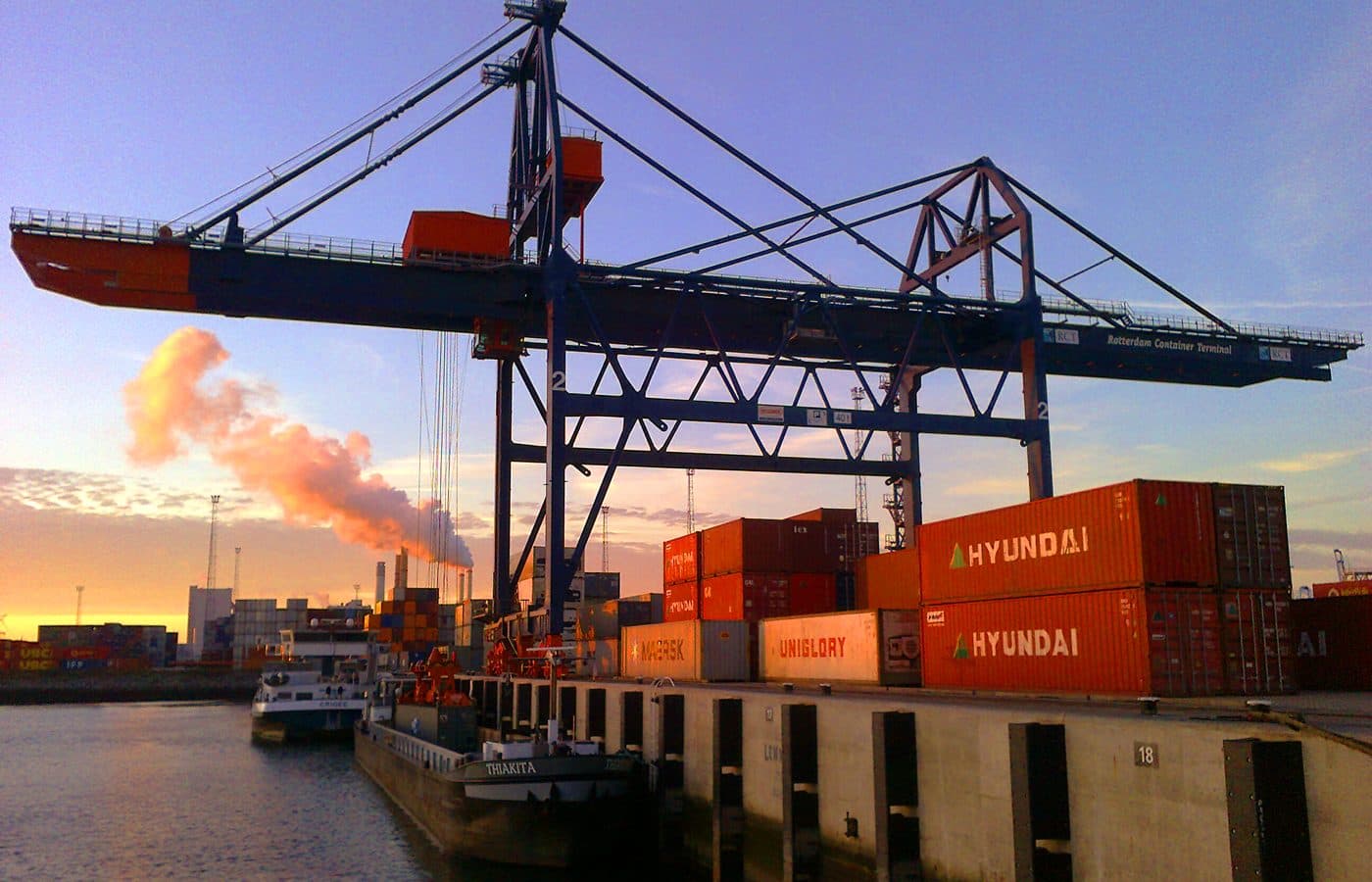
The Netherlands plays a particular role in European sourcing: it is the physical entry point for most non-EU flows. Rotterdam and Venlo concentrate stock, which often means getting in days what direct supply would take six weeks to deliver.
The trade-off is that many Dutch counterparts are traders, not manufacturers. That is neither good nor bad in itself — a trader brings stock, financing and flexibility — but you need to know it: the intermediation margin is real, and on recurring volumes going back to the manufacturer can be worth ten to twenty per cent.
So we always ask the origin question: who produces, where, and under what contract. For inbound flows, import VAT deferment under article 23 is a badly under-used cash-flow lever for French and Luxembourg buyers importing through a Dutch port.
The sectors we cover here
- PPE and workwear in the NetherlandsStock available fast — but you need to know who actually manufactures.
- industrial consumables in the NetherlandsRotterdam: direct access to the producer, not the reseller.
- mechanical subcontracting in the NetherlandsBrainport Eindhoven: precision and automation, at a price that holds up.
- construction materials in the NetherlandsAdvanced prefabrication: fewer site risks, more upstream constraints.
- HVAC and energy equipment in the NetherlandsMass electrification, a saturated grid, lengthening lead times.
- packaging in the NetherlandsExport packaging: what actually protects a pallet over a thousand kilometres.
- food ingredients in the NetherlandsDutch co-packing: industrial, documented, and demanding on volume.
- IT hardware and electronics in the NetherlandsVenlo and Eindhoven: European stock and electronic assembly.
Key facts
- Working languages
- Dutch, English
- VAT
- 21 % — import VAT deferment (article 23)
- Watch point
- Many traders: check who actually manufactures
Areas covered
- Rotterdam
- Amsterdam
- Eindhoven
- Utrecht
- Venlo
- Tilburg
- Groningen