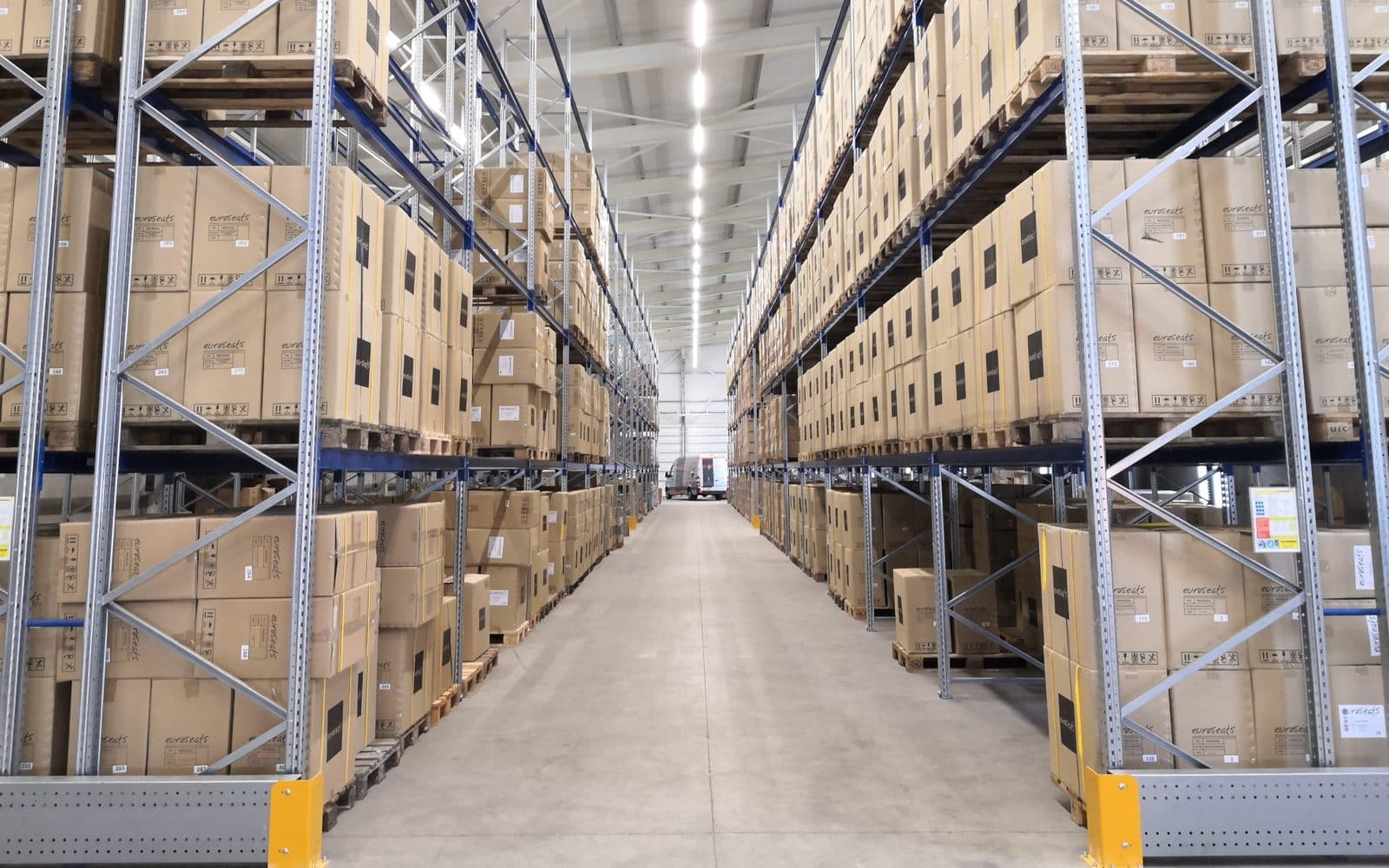
Packaging is a category where people negotiate badly because they watch the wrong number. Price per thousand means nothing until grammage, board grade, number of colours, pallet format and minimum order quantity are fixed. Two quotes can differ by forty per cent on grammage alone.
The second blind spot is tooling. On a custom die-cut, the cutting die belongs to whoever paid for it. If that is not in the contract, changing supplier means paying for tooling again — a classic and entirely avoidable lock-in.
Finally, the EU packaging and packaging-waste regulation is tightening recyclability and reduction requirements. We build that criterion into the RFQ from the start, because redesigning a pack two years later costs far more than designing it compliant now.
Typical requirements
- RSC cases and custom die-cuts
- Stretch film, shrink film and covers
- Self-adhesive labels and sleeves
- Food-contact packaging
- Dunnage, foams and layer pads
- Wooden, plastic and board pallets
This sector, country by country
- Sourcing packaging in FranceThe cutting die belongs to whoever paid for it.
- Sourcing packaging in LuxembourgThe real subject is not price, it is the minimum order quantity.
- Sourcing packaging in the NetherlandsExport packaging: what actually protects a pallet over a thousand kilometres.
- Sourcing packaging in BelgiumHighly competitive Flemish printers, if you know how to canvass them.